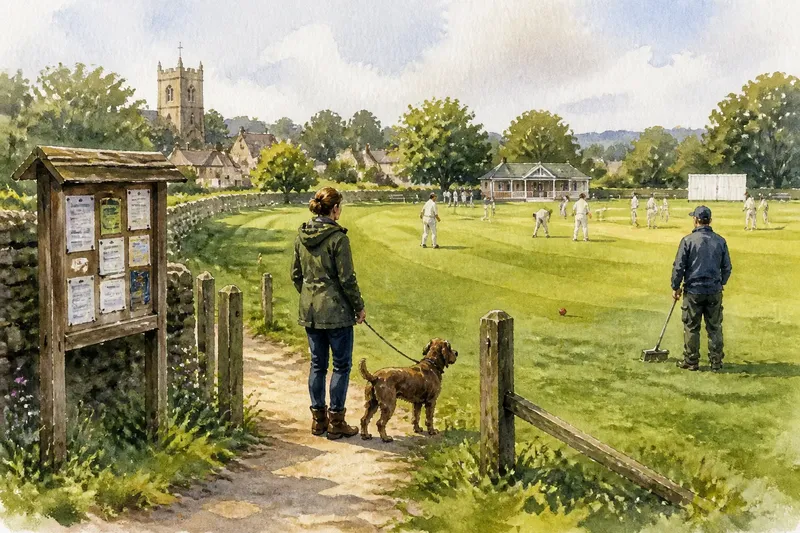
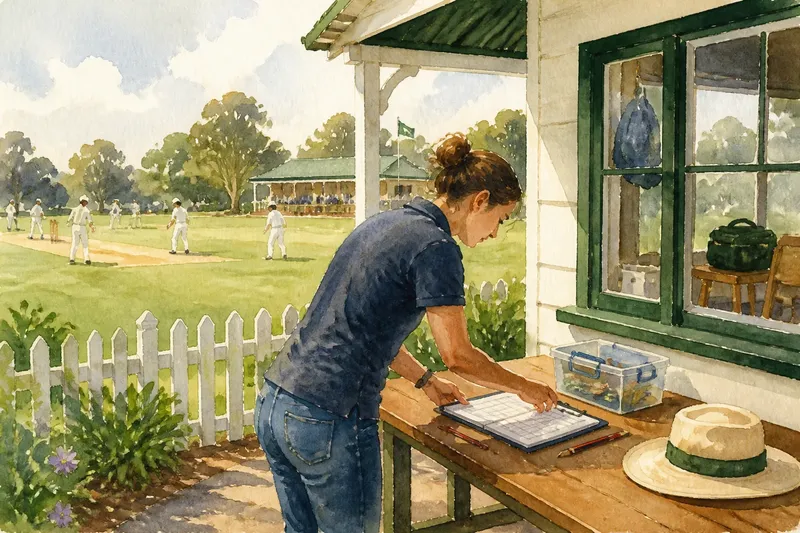
The First Session Starts Before You Arrive
A clear first message and a low-pressure plan help you judge whether a local club session feels welcoming, manageable, and right for you.

You find a local club’s page after dinner, but the only contact is an email address and a photo of a crowded match. Before deciding whether to go, you can ask what a first visit actually involves. A clear first-contact message can turn a vague invitation into enough information to choose a session that suits you.
What should I ask before visiting a club?
Ask only what you need to decide whether to attend and what to expect when you arrive. A short message is easier for a volunteer to answer than a long account of your sporting history.
Useful questions often cover the session’s audience, the level of participation, the arrival point, and whether you can observe before joining in. If access, communication, or comfort needs affect your decision, mention the practical detail you want the club to clarify. You do not need to explain private medical or personal information to make an initial inquiry.
- Who is this session for? Ask whether newcomers are welcome and whether the activity is aimed at adults, children, families, or a particular experience level.
- What happens during a typical session? Ask whether people practice together, play a match, receive instruction, or take part in a mix of activities.
- Where should I go and who should I ask for? A named meeting point or contact can make an unfamiliar venue easier to enter.
- Can I watch first or join for part of the session? This helps you decide how much participation you are comfortable with.
- Is there anything I should know about access or communication? Ask about relevant arrangements, such as step-free entry, a quieter place to speak, or instructions given before play.
Keep the first message focused. A club does not need your full background before it can explain its welcome and routine.
How do I write a first-contact message?
Say who you are in broad terms, name the session you are considering, and ask a few practical questions. Close by asking whether there is a suitable day to visit and who will be there to greet you.
For example: “Hello, I’m interested in trying your Tuesday evening bowls session. I’m new to the club. Is it suitable for beginners, and may I watch for a little while before joining in? Please let me know where to meet and who to ask for. Thanks.”
Adapt the wording to the sport. A newcomer to a running group might ask how the group handles different paces; someone considering a cricket practice might ask whether beginners can take part without joining a match. Ask about the activity that matters to you rather than assuming every club follows the same format.
If an online form is the only contact route, use the same approach in its message box. Avoid sending sensitive details through an ordinary contact form. If you do not hear back, a polite follow-up or another contact route listed by the club is reasonable.
What if I am nervous about being a beginner?
Say plainly that you are new and ask what a first visit looks like. You are not asking the club to assess your ability in advance; you are asking how it welcomes someone who has not taken part before.
Notice the wording of the reply. A useful response answers your question, tells you what to expect, and makes clear whether there is room to observe or participate at your pace. A brief answer need not be unfriendly, especially if a volunteer is busy, but repeated vagueness can leave you without enough information to make a comfortable choice.
You can also ask whether there is a designated beginner contact, coach, or session organizer. That person may be better placed to explain how people are paired, whether instruction is available, or what happens if you need a break. You do not have to promise continued attendance to receive this information.
What should a low-pressure first visit look like?
Make a plan that leaves you room to observe and decide as you go. Agree with yourself that you can stay briefly, join one part of the session, or leave if the setting does not feel right.
Say you are considering a community tennis practice and the organizer confirms that beginners can watch before joining. You plan to meet the named contact, watch the warm-up, and then decide whether to try a rally. The useful outcome is a firsthand sense of the pace, welcome, and instructions—not a promise to return or a judgment about your ability.
If you are accompanying a child or another participant, ask how the club handles arrivals and handovers, and who remains responsible during the session. Make the plan with the participant where possible, rather than treating attendance as an obligation.
How can I tell whether the club is a good fit?
Look for a match between what the club says and what you need from the session. A good fit might mean beginner-friendly instruction, a social atmosphere, a particular level of challenge, or clear arrangements for taking part. It does not have to mean that every detail is perfect on the first visit.
Afterward, consider practical questions:
- Did the session match the description you received?
- Could you find the meeting point and identify someone to speak with?
- Did the pace and level of instruction feel manageable?
- Were your questions treated respectfully?
- Would you feel comfortable asking for clarification or taking a break?
One awkward moment may reflect a busy evening rather than the club’s usual approach. If you remain unsure, ask the contact whether another session has a different format. You can also decide that the timing, atmosphere, or activity is not right for you without making the club or yourself wrong.
What should I do if the club does not answer clearly?
Ask one concise follow-up about the point that affects your decision most. If you still cannot tell where to go, whether newcomers are welcome, or what participation involves, it is reasonable to wait rather than arrive without a workable plan.
Clubs are often run by volunteers, so a delayed reply alone does not tell you how people will treat you in person. Still, clear information matters. You can try a listed phone number, social media page, or contact person, then choose another session if the details remain uncertain.
What do newcomers ask before a club session?
Do I have to join in straight away?
Not necessarily; ask whether you may observe, take part in a warm-up, or join only one activity. The club can tell you what its session allows, and you can decide what feels comfortable.
Should I explain that I have no experience?
Yes, if it helps the organizer recommend the right session or explain what to expect. A simple note that you are new is enough; you do not need to justify it.
What if I need an adjustment to take part?
Describe the practical arrangement you want to ask about, such as an accessible entrance or instructions in writing. For questions involving health or a specific safety concern, ask the club about its arrangements and seek qualified advice where appropriate.
How many questions should I put in my first message?
Ask the few questions that determine whether you can attend and what you will encounter. If more details become relevant, you can ask them after the club replies.
How do I make a clear decision after the exchange?
Use the answers to choose among three straightforward options: attend with a simple plan, ask for one missing detail, or leave it for now. The purpose of first contact is not to secure a place in the club; it is to find out whether the next session is a reasonable fit.
When you search for a first club session, look for more than a schedule. A responsive contact, a clear meeting point, and permission to ask ordinary beginner questions can tell you how to approach the visit. Keep the plan small, make the choice yours, and let the first conversation do its job before you set out.