From Village Green to Shared Playing Field
From village green to shared playing field: see how common land and changing ideas about organised sport shaped grounds people still share today.
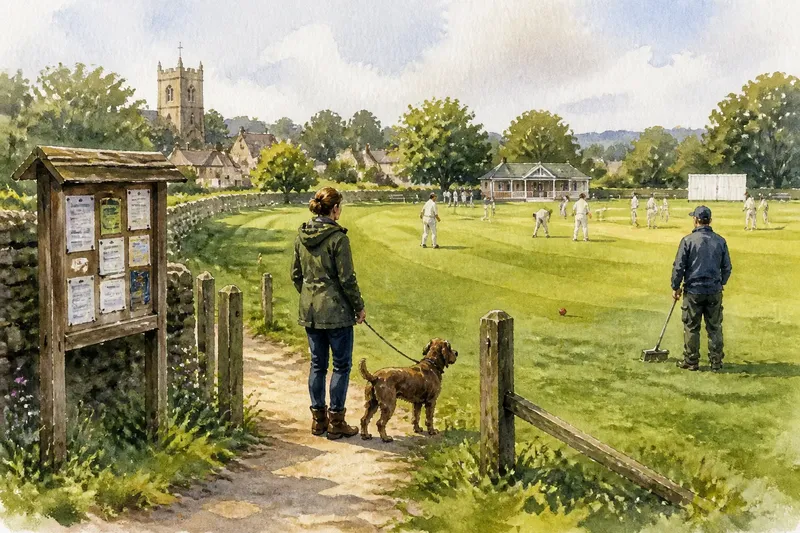
A cricket ball rolls across a patch of grass, a dog walker pauses at the path, and a groundskeeper waits for the junior team to finish warming up. The village green and the shared playing field may look like ordinary open space, but each carries choices about who can play, what the ground is for, and how people live alongside one another.
To understand how common land became sporting ground, begin with the place itself rather than a single national story. Land rights, local customs, popular sports, and public decisions varied widely. What follows is a way to read those changes in the ground beneath your feet—and to ask what shared use means now.
What did a village green make possible?
A village green was not simply a sports pitch before formal sport arrived. In many communities, open ground served several purposes: people gathered, animals grazed, children played, and local games took shape where space allowed. The exact rights and uses depended on local custom and law. A green in one place might be closely managed; another might function as a flexible commons.
That flexibility mattered. Before a field had painted boundaries or a fixed fixture calendar, people could use available space for informal play. A game might pause for passing traffic or shift to another part of the ground. The arrangement was practical, but it also reflected an understanding of land as a shared resource rather than a venue reserved for one activity.
Look for signs of that layered use when you visit an old green: a path crossing the grass, a noticeboard listing several events, or a broad open area beside a more defined pitch. These features do not prove a particular history, but they can prompt useful questions about how people have negotiated space.
How did organised play change the ground?
As local sports became more organised, play increasingly called for agreed rules, marked areas, scheduled fixtures, and equipment kept on site. A level field could support a more regular game than rough common ground. Clubs and communities began to need places they could rely on, not just open land that happened to be available.
This shift did not happen everywhere in the same way, nor did it replace informal recreation outright. In some places, a club secured permission to use a shared area. Elsewhere, a town or parish set aside land for recreation, or an existing open space gained a defined pitch. The essential change was often administrative as much as physical: someone had to decide when the ground was booked, who maintained it, and how competing uses were handled.
Rules altered the experience of space, too. A marked boundary can make a game fairer and easier to follow. It can also make a field feel less open to people who are not playing that sport. The field gained a clearer sporting purpose, but the community had to decide how that purpose sat alongside other uses.
What should you notice in a shared playing field?
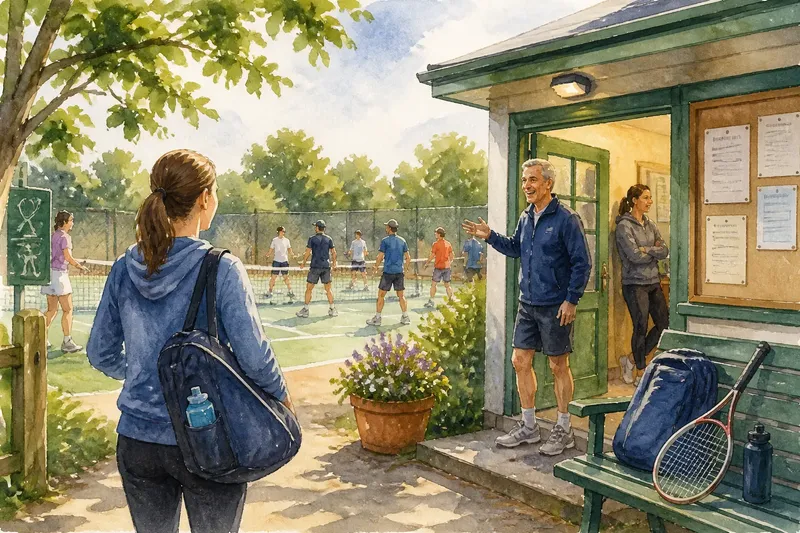
Walk the edge before you focus on the pitch. A shared ground often reveals its arrangements through small details: separate gates for pedestrians and vehicles, a path that stays open during matches, storage beside a pavilion, or signs that name the groups using the site. Each detail can show how the space accommodates people with different reasons for being there.
- Check the boundary. Fences, hedges, and open edges suggest different ways of controlling access. Notice whether people can cross the site without entering an active playing area.
- Read the signs. Look for booking information, permitted activities, and contact details. A public-facing sign can explain how a visitor may use the ground without guessing.
- Notice the surfaces. Grass, hard courts, paths, and informal open areas can serve different activities. Their placement may show where users are expected to gather or move.
- Look at the timetable. If one is posted, compare the range of listed groups and activities. Shared use may depend on time slots as much as on the layout.
- Find the common route. Paths to a playground, pavilion, or neighboring green space can help non-players pass through without disrupting a match.
Say you arrive at a recreation ground where a football fixture is underway and a path runs beside the touchline. You could follow the path rather than cut across the field, then check the noticeboard for other scheduled uses. The observable result is a clearer sense of where visitors can pass and when different groups have access, without assuming the whole site belongs to the current match.
How can groups share the field without erasing its history?
Start with the site’s existing arrangements. Ask the council, parish office, land manager, or club who books the ground and whether public access continues during fixtures. Local rules and land status differ, so the relevant manager is the right source for permission and restrictions.
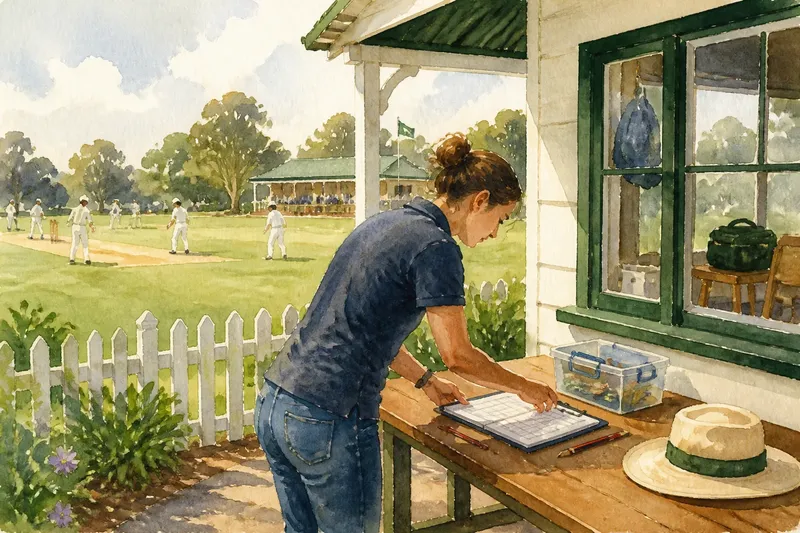
Then look for practical ways to make use visible. A board can list regular activities and explain how to ask about access. A simple map can distinguish the playing area from paths and gathering spots. If several groups use the site, a shared calendar can reduce clashes while preserving time for informal recreation.
Tradition is not only a story about what happened long ago. It can also be the routine of keeping a path open, welcoming a new activity, or maintaining a ground that serves more than one group. Ask who is missing from the current schedule and what prevents them from using the space. The answer may point to a timing issue, unclear information, or a physical barrier rather than a lack of interest.
What questions help explain a shared sporting ground?
Was every village green common land?
No. “Village green” can describe a kind of open space, but its ownership, access rights, and customary uses vary by place. Check local records or ask the relevant land manager before treating a green as freely available for every activity.
Did organised sport replace informal play?
Not necessarily. Formal fixtures and casual recreation have often existed alongside each other, though their balance depends on local arrangements. A marked pitch can occupy part of a site while paths and open areas remain available for other uses.
Who decides how a shared field is used?
It may be a local authority, parish council, club, trust, landowner, or a combination of these. The noticeboard or council office is a sensible place to start when you need to identify the manager and understand booking rules.
How can a visitor tell whether a field is open to the public?
Look for posted access information and ask the named manager if the signs are unclear. Do not assume that a gate or an empty pitch means unrestricted access; local arrangements may change with events or maintenance.
What can the ground tell you today?
From village green to shared playing field, the change was never a simple march from unstructured play to organised sport. Communities made different decisions about land, rules, and access, often keeping several uses in tension. The field records those decisions in its paths, boundaries, signs, and schedules.
Next time you pass a local ground, notice which routes remain open when a match is on and where people gather when it is not. That small observation can tell you more about how the place is shared than the pitch markings alone—and it offers a concrete starting point for asking how the ground might welcome its next use.